

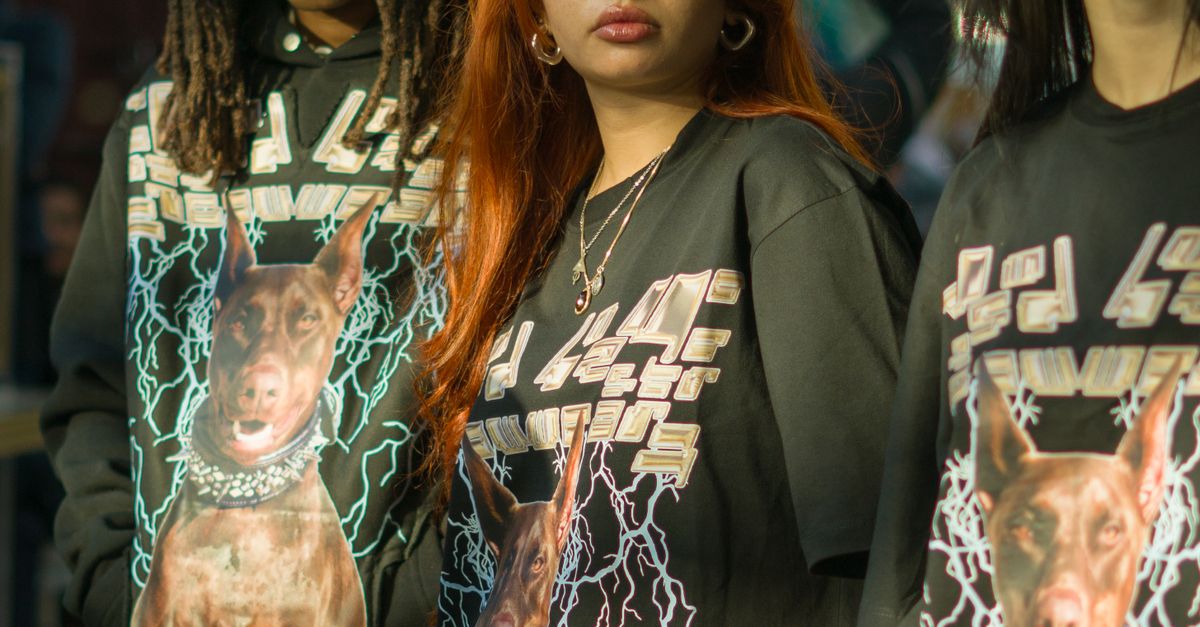
Virgil Abloh’s Revolutionary Influence on Global Streetwear
Virgil Abloh reshaped the landscape of global streetwear, propelling it from local subculture to an international fashion movement. As the founder of Off-White and the first Black artistic director at Louis Vuitton’s menswear, Abloh’s influence transcended geographical and cultural boundaries, redefining the relationship between luxury, street culture, and social identity.
Blurring the Boundaries: High Fashion Meets Street Culture
Abloh’s approach challenged the longstanding dichotomy between streetwear and luxury fashion. The launch of Off-White in 2012 marked a pivotal moment. Drawing from his architectural background and collaborations with creative visionaries such as Kanye West, Abloh infused streetwear with conceptual depth. The use of quotation marks, zip ties, and industrial design codes quickly became Off-White signatures, transforming everyday items—hoodies, sneakers, jeans—into coveted luxury artifacts.
This distinct design ethos not only broadened access to luxury but also legitimized street culture’s standing in high fashion. Upon naming Abloh as their menswear artistic director in 2018, Louis Vuitton made him a symbol of streetwear’s immense progress. Elegance blended seamlessly with urban elements across these collections, drawing global interest from both haute couture purists and streetwear fans alike. Lyst Index metrics show that Off-White continually maintained a position among the world’s leading luxury houses throughout Abloh’s leadership, driven by soaring social media traction and fast-growing resale values.
Global Accessibility and Collaborations
Abloh’s impact owes much to his openness to collaboration. He seamlessly blended the worlds of music, art, sports, and design, engaging audiences who had previously felt excluded from the luxury market. Notable projects include his limited-edition Nike “The Ten” sneaker series, which stirred global hype, creating lines outside stores from Tokyo to Paris and cementing his place as a tastemaker for a generation.
Collaborations with IKEA, Evian, Rimowa, and Levi’s further expanded his reach. By working with mass-market brands, Abloh brought streetwear aesthetics to mainstream consumers, significantly broadening the definition of fashion. For example, the “MARKERAD” IKEA collection sold out within hours, with resale prices soaring in secondary markets—a testament to his influence.
Beyond mere products, Abloh actively connected with a variety of communities. He frequently delivered university lectures, backed up up-and-coming Black creatives, and established guidance programs, thereby strengthening his outlook on fashion as profoundly inclusive and borderless.
Cultural Disruption and Social Commentary
Abloh’s creations continually challenged norms and ignited discussions concerning cultural appropriation, authenticity, and artistic ownership. He drew heavily upon historical elements—industrial graphics, Renaissance art, hip-hop iconography—and repositioned them for modern viewers. This remix culture dissolved boundaries of authorship and questioned the traditional hierarchies of taste.
His influence extended beyond clothing. Abloh’s collaborative approach mirrored streetwear’s origins in grassroots, community-driven movements, yet he brought this ethos to prestigious runways and galleries. The Museum of Contemporary Art Chicago staged a retrospective on his impact in 2019, highlighting his multidisciplinary reach and the paradigm shift he brought to fashion discourse.
Global Streetwear as a Symbol of Identity
Abloh’s designs empowered individuals to express their identities through clothing, reconnecting streetwear with its roots as a form of social commentary and individual empowerment. His runway shows frequently cast diverse models, and his campaigns highlighted underrepresented communities, emphasizing streetwear’s universal language.
Social media played a critical role in amplifying his message. Platforms such as Instagram became spaces where fans around the world—regardless of economic background—could interact with the brand and each other. This digital democratization paralleled the physical democratization Abloh championed, making streetwear both a global commodity and a means of meaningful self-expression.
Legacy and Long-Term Industry Shifts
Abloh’s impact echoes through the tactics of countless international labels. Classic luxury brands heavily fund streetwear-influenced lines, multi-label partnerships, and direct consumer outreach. Up-and-coming creators view Abloh as a primary inspiration, praising him for validating fresh artistic routes and commercial frameworks.
Streetwear retailers and sneaker platforms such as StockX, GOAT, and Grailed thrived throughout Abloh’s ascent, with secondary markets mirroring the sky-high valuations of Off-White. Coverage from Business of Fashion and Hypebeast highlights how buyer habits pivoted toward drops, limited editions, and digital community approval—frameworks championed by Abloh and his peers.
Examining Virgil Abloh’s Worldwide Influence
Virgil Abloh’s influence on global streetwear extends far beyond aesthetics. He dismantled barriers between high and low culture, expanded access through disruptive collaborations, championed diverse voices, and left a blueprint for fashion’s future. His work continues to resonate in street corners and luxury boutiques alike—an enduring testament to the power of imagination, community, and cultural fluidity.