

What Does Inclusive Fashion Mean?
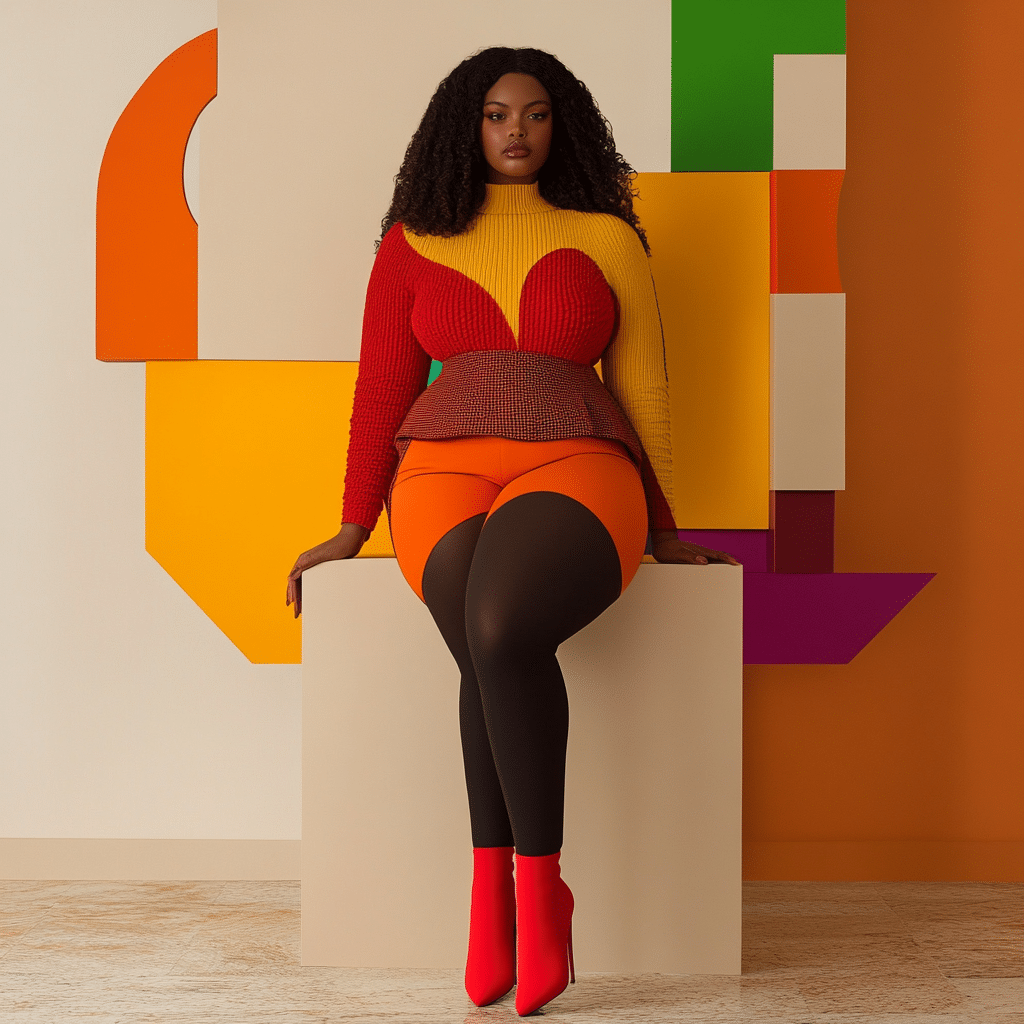
Inclusive fashion is a dynamic and transformative movement within the apparel industry that seeks to create clothing and accessories accessible to individuals of all sizes, ages, abilities, and identities. As society progresses toward greater awareness and acceptance of diversity, the fashion industry has recognized the urgent need to evolve beyond the narrow definitions of beauty and functionality. Inclusive fashion aims to provide options that not only accommodate but celebrate varied human experiences.
“`html
The Fundamental Concepts of Inclusive Fashion
“`
At its heart, inclusive fashion is built upon several core principles:
Diversity in Representation: This involves emphasizing diversity in marketing and representation. Fashion campaigns increasingly feature diverse models, highlighting varied body types, ethnic backgrounds, and lifestyles. Brands like Aerie and Savage X Fenty have successfully championed this approach, often utilizing unretouched images and a wide array of models.
Accessibility and Adaptability: Inclusive fashion considers the needs of individuals with disabilities. Adaptive clothing, for example, integrates features such as magnetic closures, adjustable waists, and easy-to-reach zippers. Companies like Tommy Hilfiger have pioneered adaptive lines that cater to these needs without compromising style.
Non-Binary and Gender-Inclusive Options: As societal understanding of gender evolves, fashion follows suit. Designers are now frequently creating apparel that challenges conventional gender boundaries, choosing styles that anyone, irrespective of gender identity, can feel at ease wearing. Brands like Gucci and Telfar are acknowledged for their initiatives in this area.
Case Studies and Industry Leaders
Nike’s FlyEase line garnered attention by focusing on adaptive footwear. The shoes cater to individuals with limited mobility, offering easy-entry features. This line illustrates how functional needs can align perfectly with modern aesthetics, propelling inclusive design into mainstream fashion.
Here’s the rewritten HTML text in English:
The fashion group Chromat, established by Becca McCharen-Tran, is renowned for its inclusive attitude towards body diversity. Chromat’s swim and sportswear lines welcome every body shape by featuring customizable straps and styles that provide both support and ease, highlighting power through variety.
The Economic and Social Impact
From an economic perspective, inclusive fashion represents a vast untapped market. A 2019 report by Coresight Research highlighted that the adaptive clothing market alone could potentially reach over $400 billion by 2026. By embracing inclusivity, brands are positioned not only to capture a wider audience but also to promote brand loyalty through meaningful representation.
Socially, the impact is profound. Inclusive fashion fosters a sense of belonging and dignity in individuals traditionally marginalized by the fashion industry. It challenges societal norms and encourages a reevaluation of what is deemed beautiful and acceptable. Through this lens, fashion becomes a platform for advocacy and social change.
“`html
Obstacles and Reflections
“`
Although advancements have been made, achieving complete inclusivity in the fashion world still encounters hurdles. Financial restrictions, supply chain challenges, and the expenses involved in creating adaptive fashion pose difficulties for brands. Moreover, genuine representation transcends superficial tokenism. The sector must aim for meaningful interaction with varied communities, ensuring their perspectives are listened to and incorporated into the design process.
Reflective Synthesis
Inclusivity in fashion transcends being a mere fad; it serves as a transformative influence in the fashion world. By dismantling obstacles and broadening the concept of beauty, brands are able to represent the genuine diversity of their customers, fostering both societal advancement and financial success. As fashion increasingly incorporates inclusivity, it holds the potential to significantly enhance the global cultural scene, setting the stage for a more welcoming and cohesive future.