

Grasping the Function of a Fashion Designer
Clothing creators are inventive visionaries who influence the fashion realm by developing unique apparel, accessories, and shoes. They play a pivotal role in establishing trends, determining styles, and moving the economic and cultural aspects of the fashion world. But what precisely are a fashion designer’s duties? Let’s delve into the diverse tasks and talents that characterize their profession.
The Creative Process
At the heart of a fashion designer’s job is the creative process. This begins with inspiration, which can come from various sources such as art, history, culture, or the natural environment. Designers often spend significant time researching these areas to gather ideas. They might visit museums, travel to exotic locations, or immerse themselves in different cultures to spark creativity.
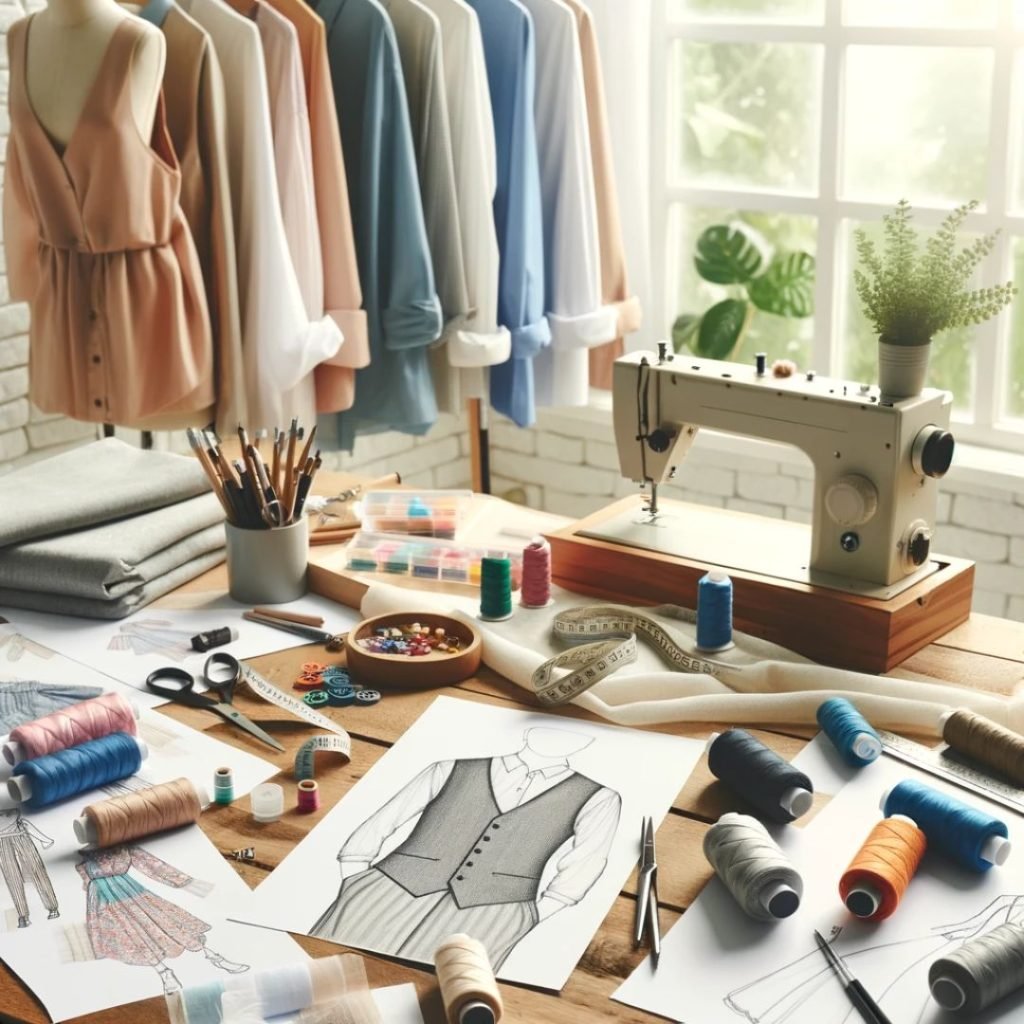
Once inspired, the next step is sketching designs. A designer transfers their ideas onto paper or digital platforms, creating sketches that capture the envisioned looks. These sketches are key to visualizing the final product and often include detailed notes on fabric, color, and texture choices.
Materials and Fabrics
Selecting the right materials is a vital aspect of a fashion designer’s work. They need extensive knowledge of textiles and fabrics, understanding how each material behaves and its suitability for specific designs. For instance, silk might be the right choice for evening wear due to its luxurious feel and drape, whereas cotton might be preferred for casual wear due to its breathability and comfort.
Designers often work closely with textile manufacturers to develop and experiment with new materials. The choice of fabric can influence not only the appearance and cost of a garment but also its function and fit.
From Concept to Creation
Once the materials are chosen, designers proceed to the design stage. This phase involves making templates—models for the various components of a clothing item. These templates act as plans that direct the cutting of fabrics into particular forms.
The next phase is sewing and assembling prototypes, often referred to as sample garments. This step requires precision and attention to detail, as these samples are used for fitting sessions to assess and refine the design.
Throughout this journey, designers work closely with stitchers, tailors, and pattern creators to guarantee that every piece aligns with their criteria and vision. Successful communication and collaboration are crucial, as these exchanges greatly impact the quality of the end result.
Trend Analysis and Brand Positioning
Keeping up with trends is an essential skill for fashion designers. This requires examining market tendencies, customer habits, and societal influences. Numerous designers participate in fashion events, work alongside trend prediction agencies, and review industry publications to anticipate upcoming fashion trends.
Furthermore, designers hold a crucial responsibility in branding strategy. They develop and maintain a brand’s persona with their creations, making sure it connects with the intended audience. A robust brand persona boosts customer trust and sets the brand apart in a crowded marketplace.
Conclusion: The Dynamic Impact of Fashion Designers
Clothing creators are not solely artistic dreamers; they are tacticians and societal observers who influence our attire and self-expression. Their role demands a mixture of inventiveness, technical expertise, and market insight. By managing styles and fabrics, from concept to catwalk, they transform fashion into a medium of individual and communal storytelling. This lively influence mirrors the constantly changing fabric of human expression, where every stitch and design adds to a broader narrative.