

A new report on employment, which has been closely analyzed for its impact on the U.S. economy, has sparked intense political responses while also causing worry among economists about a potential future decline. Although the main statistics seem to show continued robustness in the job market, a detailed review of the data suggests signs that the economy may be slowing, which could lead to a wider recession.
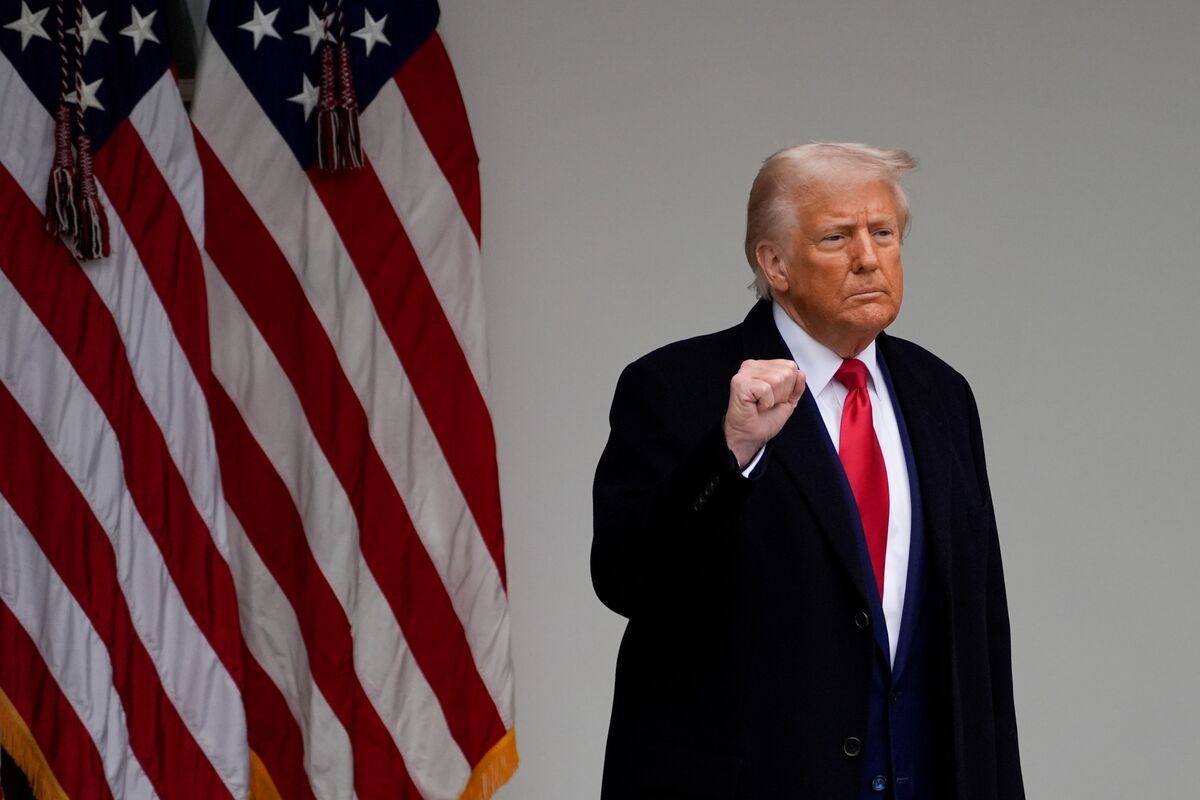
Former President Donald Trump expressed frustration over the report’s contents and interpretation, claiming it either misrepresented the economy’s condition or reflected negatively on the Biden administration’s economic management. His comments, delivered via social media and public appearances, framed the report as evidence of growing economic dissatisfaction among Americans. But beyond political narratives, economic analysts are focusing on the deeper trends the report may be signaling.
Although the overall job creation numbers continued to show growth, the pace of that growth has begun to decelerate. Key industries that have traditionally supported U.S. job expansion—such as construction, logistics, and technology—have experienced a noticeable slowdown in hiring. Moreover, a rise in part-time employment, combined with stagnating wage growth and increased labor force dropout rates, adds complexity to what might otherwise appear to be a positive employment outlook.
A key aspect of the report was the adjustment downward of job gains from preceding months. Although such corrections are typical in governmental labor statistics, they revealed that past optimism might have been founded on exaggerated figures. As consumer spending is beginning to show constraints and businesses are indicating reduced levels of investment and growth, these revisions have raised concerns about the durability of the present job market path.
Economists frequently examine several indicators to evaluate the condition of the labor market, extending beyond the primary unemployment statistics. Here, figures such as the labor force participation rate, the ratio of employment to population, and the total of long-term unemployed people all indicated slight yet persistent warning signals. It is noteworthy that the proportion of Americans working multiple jobs has increased, which may suggest that salary increases are not matching the growing cost of living.
Wage increases, another fundamental indicator for economic progress, have started to level off. Following several months of consistent rises that assisted employees in combating inflation, real wage increases—earnings adjusted for inflation—are now virtually unchanged. For numerous workers, this implies their buying power is unchanging, even if their salaries increase in terms. This stagnation might reduce consumer expenditure, which constitutes more than two-thirds of the U.S. GDP, and could lead to reduced economic growth in the coming months.
Another frequently referenced indicator, the yield curve, remains inverted—a pattern in which short-term interest rates exceed long-term rates. Historically, this has been one of the most consistent predictors of economic downturns. While no single indicator can confirm a recession, a combination of slowing job growth, weakening wage momentum, and market skepticism—reflected in bond markets—suggests the economy could be approaching a pivotal moment.
Despite these warning signs, federal officials, including those at the Federal Reserve, have urged caution in interpreting any single data point as definitive proof of an impending recession. Fed Chair Jerome Powell has emphasized a “data-dependent” approach to monetary policy, suggesting that further interest rate changes will hinge on upcoming inflation, employment, and growth figures. Nevertheless, some analysts argue that the central bank’s previous rate hikes are beginning to dampen business activity and hiring decisions—an intended effect, but one that must be carefully managed to avoid tipping the economy too far.
The employment report has also reignited political debate over how to interpret economic data in a polarized environment. While the Biden administration has pointed to continued job growth as proof that its economic policies are working, Republican leaders have highlighted inflation, interest rate hikes, and uneven job recovery across regions and industries to argue that the economy remains fragile. Trump’s own critique of the jobs data forms part of a broader narrative as he positions himself for the 2024 election, emphasizing themes of economic decline and policy mismanagement.
Nonetheless, experts advise against interpreting employment figures solely from a political standpoint. The intricacies of economic cycles suggest that a deceleration in job growth might signify a rebalancing after the spikes following the pandemic, rather than an unmistakable decline. In the aftermath of the pandemic, labor markets saw extraordinary fluctuations, with unprecedented job losses succeeded by swift recruitment. As this cycle evens out, reduced growth could merely point to a shift back to more stable trends.
Still, challenges remain. Sectors such as retail and hospitality, which saw strong post-COVID rebounds, are showing fatigue. At the same time, industries like manufacturing are contending with shifting global demand, higher input costs, and evolving consumer behavior. Layoff announcements in high-profile tech firms have also contributed to growing unease, even as overall employment numbers remain stable.
The outlook among small businesses has echoed these worries. Recent polls indicate a decrease in confidence among small business proprietors, many of whom point to increasing labor expenses, challenges in sourcing skilled employees, and unpredictability about future demand. While these trends aren’t disastrous, they add to a wider atmosphere of caution that can hinder hiring and investment.
Trust among consumers has also been negatively affected. Survey results show that numerous Americans still feel worried about their financial safety, influenced by ongoing worries regarding housing expenses, the cost of groceries, and debt. Although inflation has dropped from its highest point, the long-lasting effect of continuous price hikes has had a lasting impression, causing families to postpone significant buys or reduce non-essential spending, which further weakens the economic drive.
All of these elements suggest a labor market that is operational but under growing stress. If job creation keeps declining, wage growth stays stagnant, and consumer demand further softens, the overall impact might push the economy toward a recession. Those in charge of policy decisions must thoughtfully consider their upcoming actions—especially in terms of interest rates, government spending, and regulatory assistance—to navigate the economy through this unpredictable time.
Although the latest employment data doesn’t definitively indicate a recession, it certainly raises significant concerns that deserve careful attention. In addition to the political uproar it caused, notably from Trump and his supporters, the figures provide a complex view of an economy undergoing changes. Whether this period results in a gentle slowdown or a more significant downturn will rely on various domestic and international factors in the upcoming months. Currently, the focus is on the forthcoming economic indicators as markets, decision-makers, and the public brace for what might be a crucial stage in the recovery following the pandemic.