

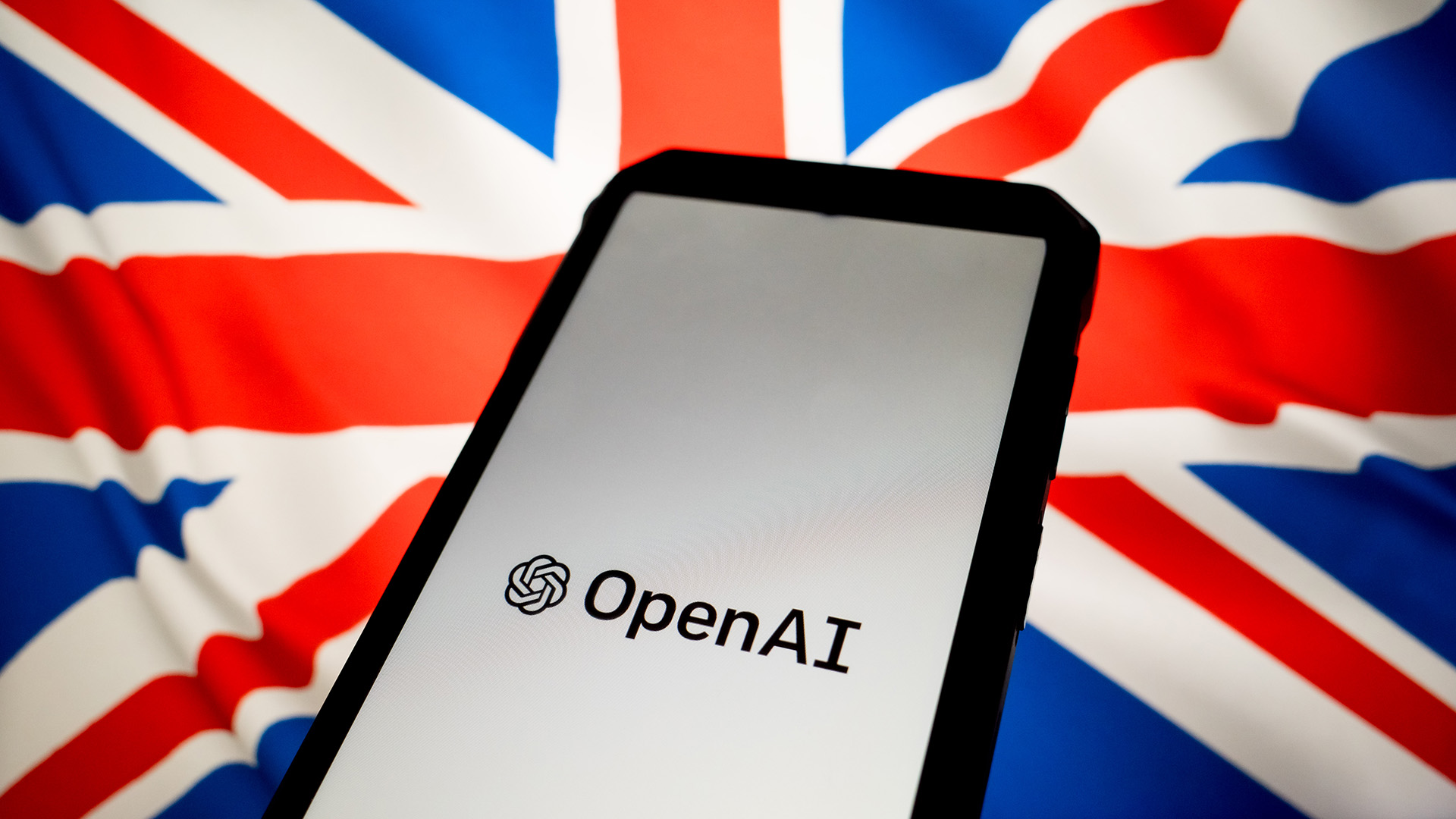
El Reino Unido está avanzando considerablemente en la modernización de su sector público mediante la incorporación de tecnologías de inteligencia artificial. A través de una asociación recién formada, el gobierno del Reino Unido ha firmado un acuerdo formal con OpenAI, una compañía destacada en el desarrollo de sistemas de IA avanzados. El objetivo de esta colaboración es investigar e implementar herramientas de inteligencia artificial que puedan mejorar la eficiencia, accesibilidad y capacidad de respuesta de varios servicios públicos en todo el país.
As digital change takes center stage for governments globally, the UK is advancing its innovation leadership by adopting new technologies. The pact with OpenAI signifies increased trust in AI’s ability to aid administrative functions, improve decision-making, and better serve citizens. Employing AI could make public services more efficient and data-centric, allowing government departments to function with enhanced agility and accuracy.
This initiative is not merely a trial in robotics; it signifies a dedication to creating a future in which artificial intelligence enhances the provision of public services. In sectors like health care, transportation, and social services, AI is anticipated to boost service provision, speed up processing periods, and offer more tailored experiences for consumers. By pinpointing opportunities where smart systems can alleviate pressure on personnel or give insights into intricate information, the government aims to boost efficiency without sacrificing quality.
The partnership with OpenAI also opens the door for innovation labs and pilot projects within key departments. These initiatives will likely focus on real-world applications where AI can have the greatest impact—such as managing high-volume inquiries, assisting with regulatory compliance, or forecasting trends in service demand. For example, chatbots powered by language models could be deployed to handle routine queries, freeing up human personnel to address more complex issues. Similarly, machine learning tools could support analysts by detecting patterns in large datasets or recommending actions based on past outcomes.
One of the main objectives of this partnership is to implement AI as a complement to the human workforce. Instead of eliminating jobs, AI instruments are intended to enhance abilities, decrease manual tasks, and allow public employees to concentrate on more strategic, value-enhancing activities. Through this approach, the government seeks to enhance morale, prevent burnout, and increase efficiency in departments that frequently encounter the challenge of achieving more with limited resources.
Security and data privacy remain central to this effort. With the integration of AI into public services comes a heightened need for transparency, ethical safeguards, and robust governance frameworks. Ensuring that sensitive data is handled securely and responsibly is essential, especially when dealing with information related to citizens’ health, finances, or legal status. To this end, the UK is expected to introduce clear guidelines for AI implementation, ensuring compliance with data protection laws and ethical standards.
Earning public confidence is crucial for the success of this initiative. People need to feel assured that AI applications are being implemented justly and for their benefit. To support this goal, the government might focus on involving the public, giving citizens and advocacy organizations a chance to have a say in how AI is incorporated into various services. This might involve holding consultations, producing transparency documents, and establishing independent review systems to assess AI results and maintain accountability.
The collaboration between the UK and OpenAI showcases a wider goal of becoming a frontrunner in the ethical advancement and use of artificial intelligence. As nations vie to create digital economies, introducing AI early in government operations might boost the UK’s international standing as a progressive, tech-savvy nation. Additionally, these partnerships stimulate creativity in the homegrown tech landscape, motivating local entrepreneurs, academics, and programmers to work on AI innovations designed for public benefit.
Economic implications are also part of the broader picture. By modernizing public service delivery through AI, the government could achieve long-term cost savings while enhancing service effectiveness. Streamlined workflows, reduced duplication of effort, and more accurate forecasting could collectively yield significant efficiency gains. These resources could then be reinvested in critical areas such as education, housing, and infrastructure.
The incorporation of artificial intelligence in governmental operations presents several challenges. Aside from the technical obstacles, the issue of ensuring fairness and preventing bias in AI-based decisions arises. Algorithms require thorough testing and ongoing scrutiny to avoid accidental discrimination or unjust treatment. The government must focus on inclusivity and guarantee that AI instruments represent the diversity of the UK’s populace, steering clear of universal solutions that might be detrimental to specific communities.
Educating and enhancing the skills of public sector workers will be crucial. For AI to be implemented effectively, those who collaborate with these technologies need to comprehend their workings and how to assess their outcomes. This necessitates investing in digital literacy and professional growth throughout the civil service, making sure that AI is utilized both efficiently and responsibly.
When launching implementation, it’s crucial to assess which applications offer the highest benefits and how these solutions can be expanded. Not all units or offerings will gain the same from AI inclusion, and thoughtful selection of pilot projects will influence enduring achievement. The partnership with OpenAI establishes an adaptable base for exploration, education, and adjustment as practical requirements change.
Looking ahead, the UK’s move to bring AI into public services may serve as a model for other nations seeking to modernize their own governmental systems. It reflects a broader recognition that artificial intelligence is not merely a private-sector innovation but a public asset—one that, when used wisely, can support the common good. The potential benefits range from faster processing of citizen requests to more proactive identification of social needs, ultimately leading to a more responsive and inclusive public sector.
Through establishing this collaboration, the UK is setting the stage for a governance approach prioritizing digital solutions. By working with AI pioneers such as OpenAI, it aims to craft a future where technology enhances instead of replaces the values of public service. Although the process is in its early stages, the path is unmistakable: artificial intelligence is destined to be a key factor in the evolution of how public services are provided, comprehended, and encountered throughout the United Kingdom.