

The Lasting Impact of Avicenna on Medieval Medicine
Avicenna, originally known as Ibn Sina, is recognized as a pivotal figure in the realm of medical history. He was born in 980 CE in what is now Uzbekistan and made significant contributions across various disciplines, including philosophy, astronomy, alchemy, and particularly medicine. His influential work, The Canon of Medicine, played a crucial role in shaping medical theories and practices during the medieval era and continued to have an impact during the Renaissance. His extensive contributions influenced not only the Islamic world but also the very roots of European medicine.
Avicenna’s Canon of Medicine: Structure and Content
Avicenna’s Canon of Medicine (Al-Qanun fi al-Tibb) became the authoritative medical encyclopedia of its era. Structured into five books, the work systematically organized all known medical knowledge of his time. It covered principles of medicine and physiology, materia medica, diseases affecting the whole body, diseases of specific organs, and compound medicines.
A notable characteristic of the Canon was how it combined previous medical traditions, particularly those of Hippocrates and Galen, with fresh observations. Avicenna developed the four humors theory, adapting it to be more applicable in clinical settings. He analyzed and refined Galen’s teachings, bringing in new diagnostic methods and medicines to the medieval pharmacopeia. For instance, he made a distinction between diseases that are contagious and those that are not—an extraordinary understanding preceding contemporary germ theory.
Innovations in Clinical Diagnosis and Pharmacology
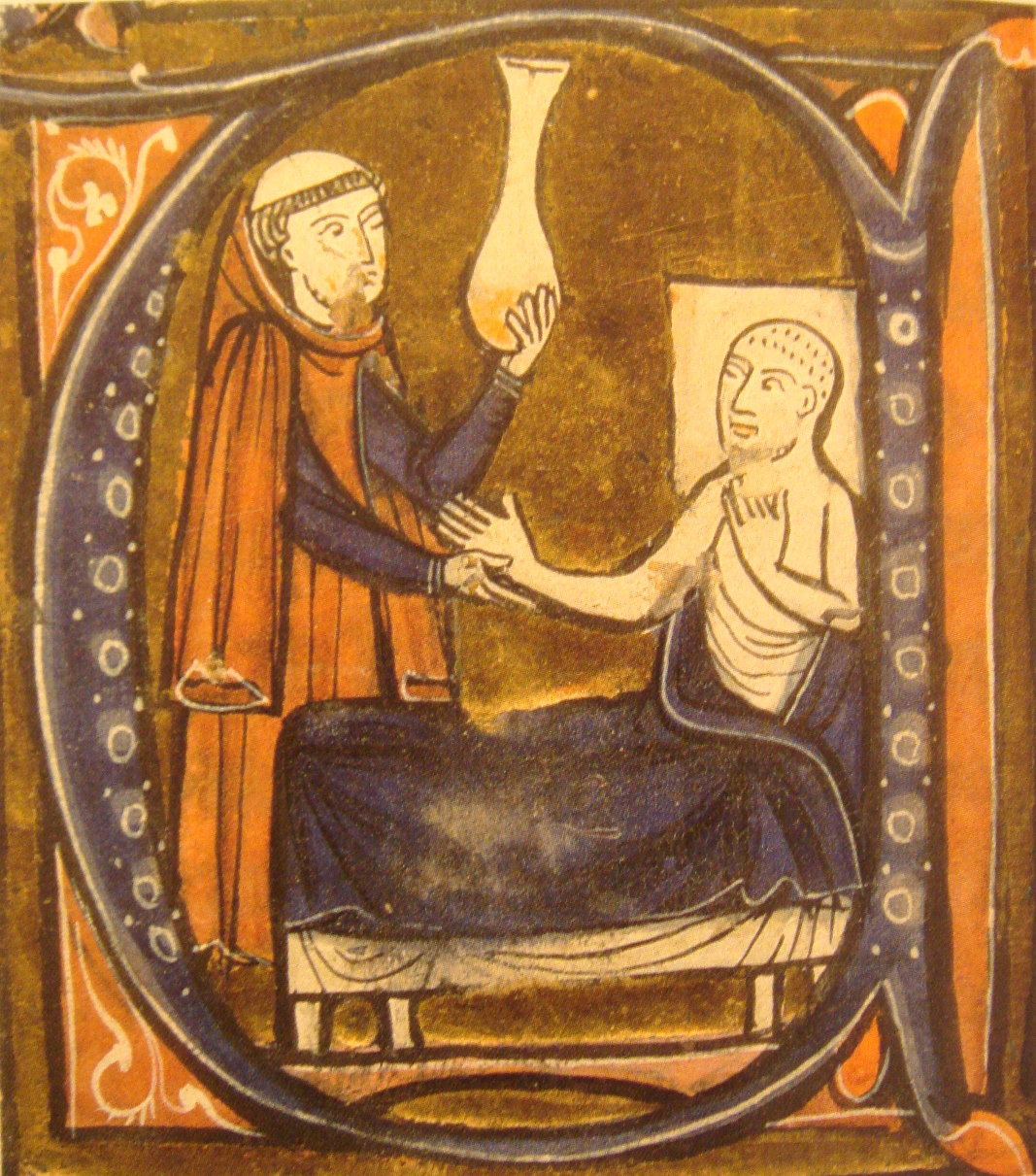
Avicenna introduced numerous techniques that revolutionized the practice of clinical diagnosis. He emphasized the necessity of observing patients, gathering thorough medical histories, and conducting meticulous physical examinations. Avicenna’s framework for diagnostic procedures encompassed pulse examination and urine analysis, both crucial to his medical methodology.
In the field of pharmacology, the Canon included more than 760 varieties of medications and took a structured approach to evaluating their impacts. Avicenna was an innovator in early clinical research by suggesting methods to assess the effectiveness of treatments, analyzing them through hands-on experience and experimentation. His empirical method represented a transition from mere theoretical conjecture to observation-driven medicine—an essential progression in the development of medical sciences.
Spread to Europe: Interpretation and Scholarly Integration
Avicenna’s influence radiated throughout the medieval world due to widespread translation activities. In the twelfth century, the Canon was translated into Latin by Gerard of Cremona and others, rapidly becoming a centerpiece of European medical education. For nearly six centuries, the Canon was required reading at universities such as Montpelier, Louvain, and Padua. Numerous commentaries and editions were produced, attesting to the work’s central role.
Medieval physicians, including luminaries such as Arnald of Villanova and Albertus Magnus, referenced Avicenna when teaching students or treating patients. His comprehensive materia medica, detailed case histories, and logical disease classifications provided European medicine with a more systematic approach, leading to improved standards of care.
Ethical and Comprehensive Views in Avicennian Medicine
Aside from technical progress, Avicenna’s medical philosophy included ethical considerations and a comprehensive approach to patient care. He stressed the ethical responsibilities of doctors, promoting empathy, modesty, and lifelong education. The Canon recommended that healthcare providers address not only physical ailments but also take into account patients’ mental and social circumstances.
This emphasis on ethical practice shaped the norms of both Islamic and medieval Christian medical worlds. Avicenna’s belief in the unity of body and mind anticipated biomedical ideas that would re-emerge much later, positioning health as a harmonious balance of physical, mental, and spiritual factors.
Case Studies: Avicenna’s Influence on Disease Classification and Treatment
An illustrative instance of Avicenna’s impact on medicine is his method for addressing kidney ailments. Avicenna identified different causes and presentations of hematuria, separating conditions related to the kidneys, ureters, and bladder. His detailed classifications provided medieval doctors with better diagnostic tools and subsequently more precise treatments.
Another vital contribution was his treatment of infectious diseases. In his descriptions of epidemics, Avicenna advised quarantine, hygiene, and dietary interventions, anticipating strategies that became critical during outbreaks like the Black Death. His insights formed the groundwork for later advances in epidemiology and public health.
Lasting Impact: From Medieval Hospitals to Modern Medicine
The real-world effects of Avicenna’s contributions to medicine made their way into hospital settings. Influenced by the Canon, hospitals during the medieval Islamic era applied logical patient management, organized monitoring, and documentation. This planned method was later embraced in Europe, laying the groundwork for the development of contemporary clinical centers.
Long-lasting effects of Avicenna’s insights on pharmacology are still evident. Numerous medicines mentioned in the Canon were part of European pharmacopeias for hundreds of years. For instance, his application of opium-based substances and other mixtures like camphor impacted pain relief and anesthesia methods during medieval times, helping to connect ancient and contemporary pharmacology.
The impact of Avicenna on medieval medical practices is significant and complex, spanning across different languages, regions, and cultural contexts. His skill in integrating, analyzing, and building upon existing knowledge with an empirical approach led to a revolutionary change in medical methods and theories. The legacy of Avicenna is evident in the tenets of clinical observation, pharmaceutical research, and principled care, creating a link between ancient knowledge and the healthcare of later generations. The continuous exploration of his writings keeps providing insights that enhance the comprehension of medical science’s history.