

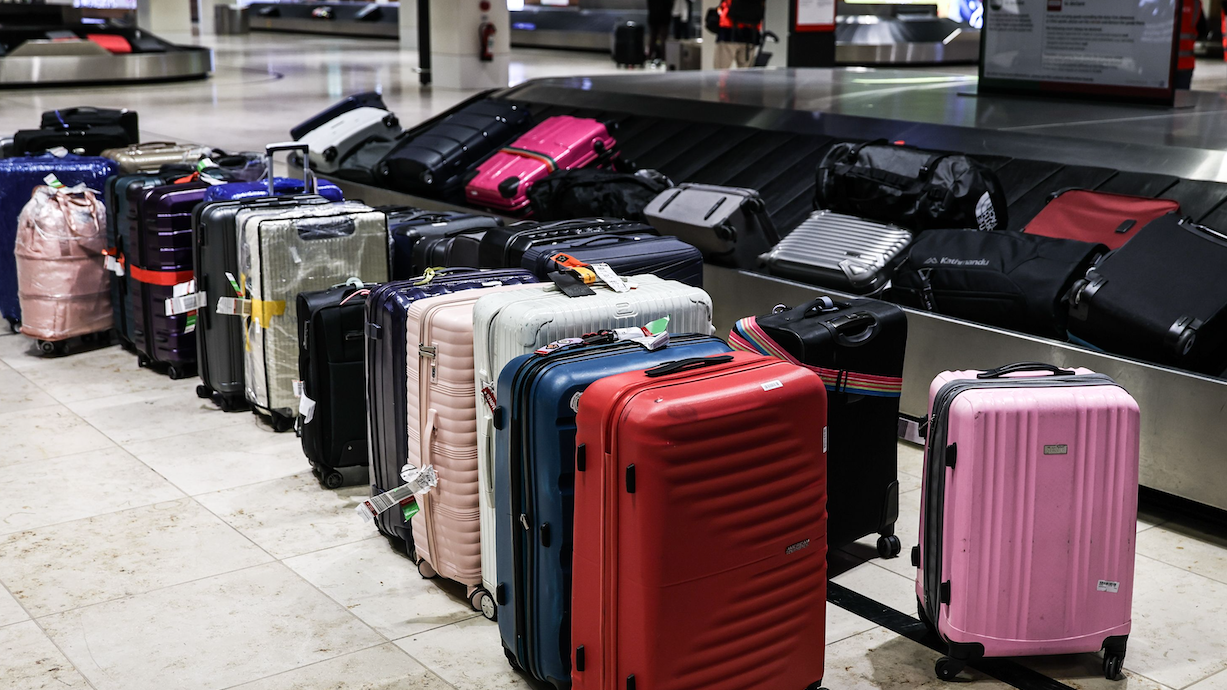
Ryanair, Europe’s largest budget airline, is reportedly evaluating changes to its internal reward system that could see ground staff receive higher bonuses for identifying passengers carrying oversized cabin luggage. The potential adjustment reflects the airline’s continued focus on maximizing compliance with its strict baggage policies, which have long been a source of both revenue and debate among travelers.
The budget airline has structured its business approach on efficiency, economical ticket prices, and a strong focus on additional revenue channels—baggage fees being a significant part of this. According to Ryanair’s existing rules, travelers not complying with the hand luggage size limits might need to pay additional charges at the gate. Consequently, making sure that passengers follow these guidelines has turned into a primary responsibility for airport personnel throughout the airline’s routes.
According to industry sources familiar with the company’s internal discussions, Ryanair is exploring the idea of increasing financial incentives for employees who correctly identify and flag carry-on items that exceed permitted dimensions. While such measures are not yet finalized, they align with the airline’s broader strategy to enforce its policies consistently while potentially boosting ancillary income.
Currently, Ryanair allows passengers to carry one small personal bag on board free of charge—provided it fits under the seat in front. Larger cabin bags, such as small suitcases or rolling luggage, require a fee unless the traveler has purchased a priority boarding ticket. Oversized items that are not pre-paid are typically charged at the gate, often at a premium. This system not only encourages passengers to pay in advance but also creates opportunities for last-minute fees, which form part of the airline’s non-ticket revenue.
The proposed increase in bonuses for ground staff is seen as a way to ensure vigilant enforcement of these policies, particularly during busy travel seasons. By incentivizing staff to be more proactive in identifying non-compliant luggage, Ryanair aims to streamline boarding processes and reduce disputes at the gate. Supporters of the initiative argue that clear and consistent enforcement helps avoid delays and reinforces fairness among passengers who follow the rules.
However, opponents of the policy caution that associating financial rewards with luggage enforcement might generate unnecessary friction between passengers and staff. Certain travel advocates have raised worries that this could result in overly strict enforcement or inconsistent handling, especially if workers feel compelled to fulfill performance goals connected to spotting violations.
Customer dissatisfaction related to baggage fees and enforcement has long been a point of contention for Ryanair. While the airline continues to post strong passenger numbers and profits, it regularly ranks lower in customer satisfaction surveys, with complaints often focusing on additional charges and perceived inflexibility. The possibility of expanded bonuses for baggage enforcement could risk further alienating some travelers, especially those unfamiliar with the airline’s policies or those caught off guard by last-minute charges.
Despite such concerns, Ryanair maintains that its baggage policies are transparent and that passengers are given clear information during the booking process. The airline emphasizes that adhering to luggage size rules helps keep fares low for everyone, a key element of its value proposition. With millions of passengers flying each month, even minor lapses in baggage compliance can cause operational bottlenecks and reduce turnaround efficiency—a crucial metric for budget carriers.
Aside from the direct effects on customer service, Ryanair’s assessment of its incentive scheme showcases larger patterns in the airline sector, where income from additional services—like luggage, choosing seats, and food and drink sales—now composes a noteworthy portion of overall earnings. Industry analyses suggest that these extras might account for as much as 40% of income for certain budget airlines. For Ryanair, adjusting its strategy for these offerings goes beyond simple application; it’s crucial for ongoing profit and viability.
Esta táctica también aparece en un momento de alta competencia en el mercado de vuelos europeos. A medida que los viajes se recuperan tras la pandemia y nuevos competidores surgen para satisfacer la creciente demanda, las aerolíneas de bajo costo como Ryanair están bajo presión para mantener el liderazgo en costos mientras preservan los márgenes. Asegurar que las políticas se apliquen de manera consistente en todos los mercados—sin afectar negativamente la reputación—se ha vuelto cada vez más crucial.
For Ryanair staff, the potential changes to the bonus structure could be seen as both an opportunity and a challenge. While increased financial rewards may boost motivation and performance, they may also put staff in difficult positions when dealing with frustrated passengers. Airport personnel are often the first and most visible representatives of the airline, and their interactions can shape a traveler’s perception of the brand.
From an operations perspective, Ryanair has consistently focused on rapid turnaround times as a fundamental element of its low-cost approach. Ensuring that boarding happens smoothly without interruptions from baggage disagreements is crucial to this plan. A baggage check system driven by incentives can support this aim—if it is executed equitably and with proper training.
As Ryanair continues to explore adjustments to its policies and procedures, the broader conversation about the role of ancillary fees in modern air travel persists. While low base fares are attractive to many consumers, the added complexity of multiple fees and strict policies can also create confusion and frustration. Airlines must navigate the fine line between profitability and customer experience—an equation that Ryanair is constantly recalibrating.
Whether or not Ryanair proceeds with a higher bonus for spotting oversized bags, the debate underscores the evolving dynamics of low-cost aviation. As carriers strive for greater efficiency and revenue diversification, the role of airport staff in enforcing policies—often under pressure and scrutiny—will likely remain a focal point. For passengers, understanding airline rules before arriving at the gate remains the most effective way to avoid surprise charges and ensure a smoother travel experience.