

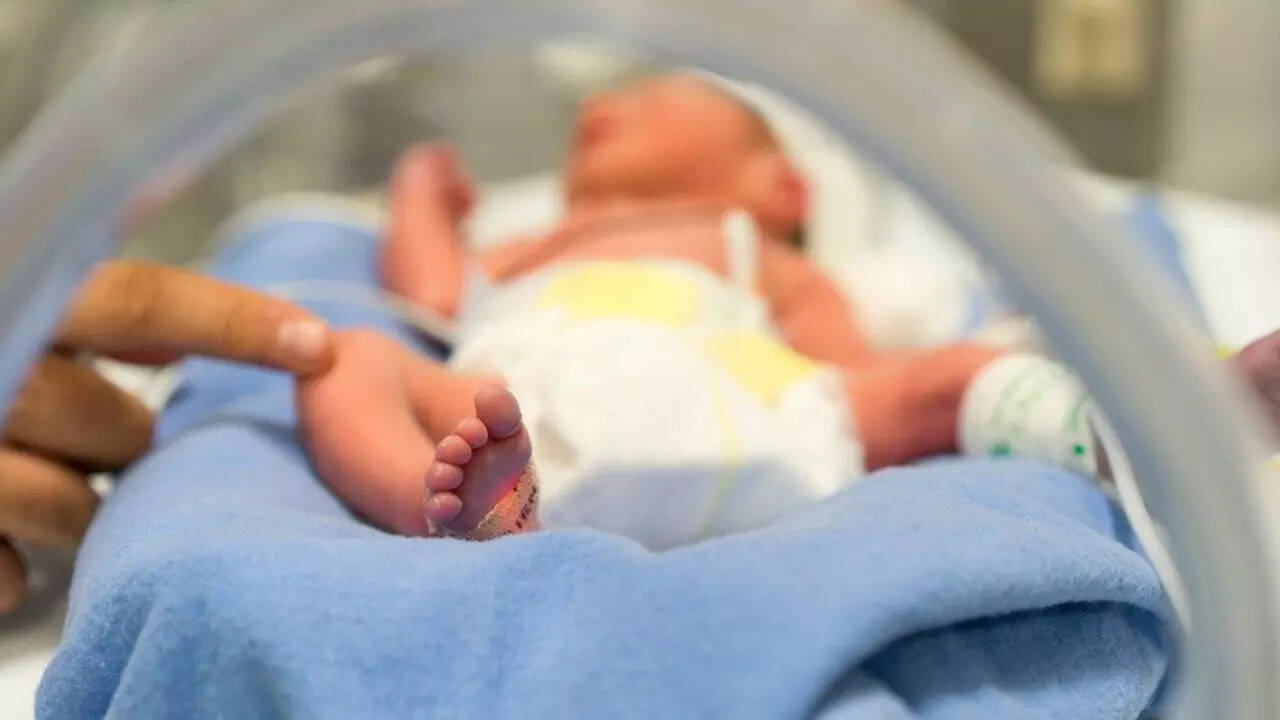
An innovative medical milestone has resulted in the birth of infants conceived using the genetic material of three distinct individuals, with all indications showing they are free from the hereditary illnesses their parents might have transmitted. This extraordinary progress marks a significant advancement in the field of reproductive science and provides a ray of hope for families facing the fear of serious genetic disorders. The technique, commonly known as Mitochondrial Replacement Therapy (MRT), embodies a pioneering method to thwart the transfer of crippling diseases that stem from the cell’s energy producers, the mitochondria.
The heart of MRT is rooted in its clever strategy to bypass faulty mitochondrial DNA. Mitochondria, which are small structures found outside the cell’s nucleus, have their own distinct circular DNA, separate from the majority of our genetic material contained within the nucleus. While nuclear DNA is responsible for determining most of a person’s characteristics, including looks and behavior, mitochondrial DNA plays a critical role in cellular energy production. Flaws in this mitochondrial DNA can result in a variety of serious and often life-threatening disorders that impact essential organs like the brain, heart, muscles, and liver. These disorders are usually inherited solely from the mother, as nearly all mitochondria in a fertilized egg originate from the egg cell.
In the pioneering MRT procedure, the intended mother’s nucleus, containing her primary genetic information, is carefully extracted from her egg. This nucleus is then transferred into a donor egg that has had its own nucleus removed. This donor egg, however, retains its healthy mitochondria. The resulting reconstructed egg, now containing the nuclear DNA of the intended mother and the healthy mitochondrial DNA of the donor, is then fertilized in vitro with the father’s sperm. The embryo thus created carries the vast majority of its genetic code (over 99.8%) from its two biological parents, with a tiny fraction of healthy mitochondrial DNA from the third individual, the egg donor.
The importance of these successful births cannot be minimized. For many years, families affected by mitochondrial diseases have confronted a painful choice: a high likelihood of transmitting a life-restricting or potentially deadly condition to their children, or the tough decision to not have biological offspring. Conventional techniques such as preimplantation genetic diagnosis (PGD) assist in identifying affected embryos, yet they fail to provide a solution for couples where all embryos might be affected or where the risk is too significant. MRT offers a direct preventive approach, efficiently replacing the faulty mitochondrial structure before conception.
The ethical and regulatory landscapes surrounding MRT have been as complex and challenging as the science itself. Given that the procedure involves altering the human germline – meaning the genetic changes will be passed down to future generations – it has sparked extensive debate globally. Concerns have ranged from the safety and long-term health implications for the children born through MRT to broader philosophical questions about “designer babies” and the extent to which humanity should intervene in the fundamental processes of reproduction. As a result, only a handful of countries have legalized or explicitly permitted MRT, often under strict regulatory frameworks and with extensive oversight. The United Kingdom, for instance, was among the first to formally permit the technique under specific conditions, following years of public consultation and parliamentary debate.
The long-term health of these pioneering infants will be meticulously monitored, as understanding any potential unforeseen consequences is paramount. Scientists will be looking for any signs of “mitochondrial carryover,” where a tiny amount of the original, unhealthy mitochondria might persist and potentially replicate over time. While the current reports indicate the children are free of hereditary disease, continuous observation is crucial to ensure their ongoing well-being and to fully assess the safety and efficacy of the procedure across a lifespan. This ongoing research will be vital for informing future clinical applications and regulatory policies worldwide.
Beyond its immediate application in preventing mitochondrial diseases, the success of MRT opens fascinating avenues for future research in genetic therapies. It demonstrates the profound capability of manipulating cellular components to address inherited conditions at their most fundamental level. While the primary focus remains on mitochondrial disorders, the principles established by MRT could, in theory, contribute to our understanding of other forms of genetic intervention, albeit with different and potentially more complex challenges.
The journey to these births has been a testament to decades of scientific dedication and perseverance. From early research into mitochondrial function to the development of sophisticated micromanipulation techniques, numerous breakthroughs were required to make MRT a reality. The precision involved in removing and transferring a nucleus from an egg cell, all while preserving its viability, is an extraordinary feat of cellular engineering. This achievement underscores the collaborative nature of scientific progress, involving researchers, clinicians, ethicists, and policymakers.
Although there have been successes, the method remains highly specialized and faces limitations. It is mainly suited for mitochondrial conditions, which, albeit serious, make up a relatively minor portion of genetic illnesses. Due to the expense and intricacy of the process, it is not extensively accessible, with its availability restricted by stringent legal and ethical guidelines across various nations. Additionally, selecting suitable candidates for the technique necessitates thorough genetic testing and guidance, ensuring the procedure is performed solely when it is medically warranted and ethically appropriate.
The successful births of these children offer a shining hope for families impacted, indicating a transition from treating symptoms to preventing the transmission of the disease itself. It emphasizes humanity’s unwavering quest for answers to some of the most stubborn challenges in medicine. As these children develop, their well-being will remain a central point of scientific observation, supplying invaluable data that will influence the future of reproductive medicine and genetic treatment.
This pioneering work lays the groundwork for further advancements, pushing the boundaries of what is possible in safeguarding future generations from the burden of inherited illnesses. The development marks not just a medical breakthrough but a profound ethical and societal milestone, prompting ongoing discussions about the responsible application of cutting-edge genetic technologies.