

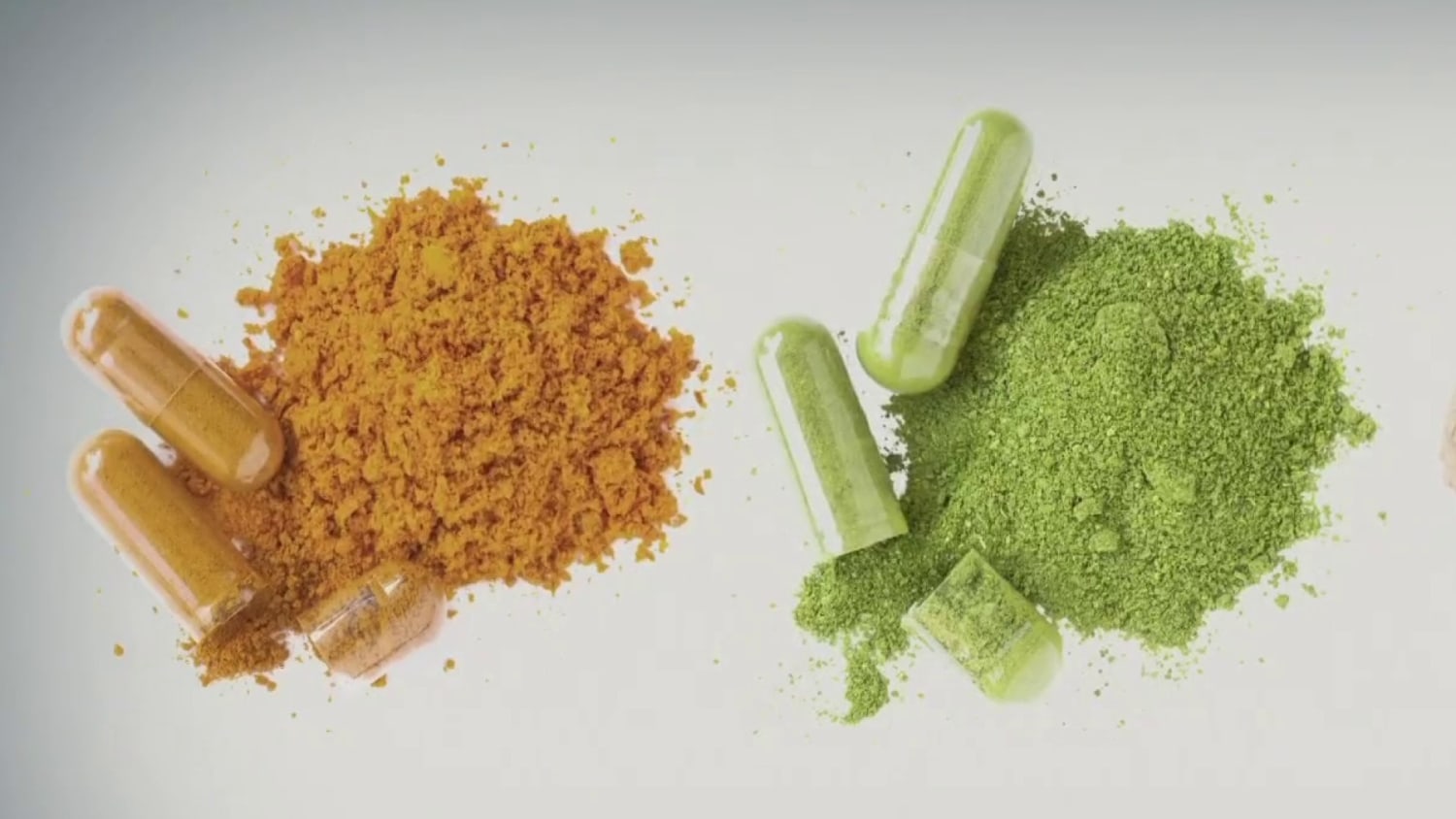
Cannabidiol, often referred to as CBD, has experienced an impressive rise in popularity in the last ten years, as millions choose this non-intoxicating compound extracted from cannabis to alleviate anxiety, discomfort, sleeplessness, and various other ailments. Nevertheless, findings from a new investigation by the U.S. Food and Drug Administration (FDA) are highlighting new concerns regarding the possible health hazards linked to using CBD, especially its effect on liver performance, even in minimal amounts.
The investigation, which is integrated into the FDA’s continuous assessment of cannabidiol’s safety, indicates that certain people might suffer liver damage or other negative effects from CBD intake, even at doses lower than those generally suggested for therapeutic purposes. This finding contributes to an expanding collection of studies advocating for more careful and educated utilization of CBD items, especially considering the compound’s extensive presence in products ranging from oils and edibles to skincare and wellness items.
The increasing availability of CBD in mainstream markets has outpaced scientific research and regulatory oversight. While the 2018 Farm Bill legalized hemp-derived CBD at the federal level, the FDA has consistently maintained that more rigorous studies are necessary to fully understand its safety, efficacy, and appropriate dosage guidelines. Until now, most concerns about CBD’s potential side effects have centered on high doses used in clinical settings, particularly in the treatment of conditions such as epilepsy. The FDA’s new findings, however, suggest that even consumers using CBD for general wellness or occasional relief could unknowingly be putting their liver health at risk.
The liver is essential for breaking down substances that enter the body, such as medications and supplements. Harm to this important organ can be slow to manifest and may not become apparent until it advances to more serious levels. Research by the FDA indicates that certain individuals could experience an increase in liver enzymes—an indicator of liver distress or harm—even at smaller CBD doses. Although not all people seem to be equally at risk, this difference highlights the necessity of assessing individual risk factors before routinely using CBD.
The study involved controlled clinical testing and analysis of liver enzyme levels in participants who consumed various doses of CBD over an extended period. The findings revealed that even modest consumption levels could result in biochemical changes suggestive of hepatic stress in certain individuals. These outcomes raise the question of whether the popular perception of CBD as a universally safe, natural remedy may be oversimplified.
In addition to the potential liver risks, the FDA also continues to warn about other possible side effects of CBD, including interactions with other medications. CBD is known to affect the way the body processes certain prescription drugs, including blood thinners and seizure medications, which could lead to unintended and sometimes dangerous consequences. The cumulative effect of multiple substances metabolized through the liver can heighten the risk of toxicity or adverse reactions.
The findings from the FDA study serve as a timely reminder of the need for comprehensive regulatory frameworks surrounding CBD products. Currently, the U.S. market for CBD remains largely unregulated, with varying quality standards, inconsistent labeling, and limited consumer protections. Many products sold online or in stores do not undergo rigorous testing for purity, potency, or contaminants, leaving consumers vulnerable to inaccurate dosing or exposure to harmful substances such as heavy metals, pesticides, or residual solvents.
Consumer demand for CBD continues to grow, driven in part by anecdotal reports and marketing claims that promote its benefits for stress relief, inflammation, sleep, and even chronic illness. However, the scientific community urges consumers to approach CBD use with caution until more definitive research is available. Without standardized dosing guidelines or clear safety thresholds, individuals may unknowingly misuse products or expose themselves to health risks that outweigh potential benefits.
The Food and Drug Administration (FDA) has emphasized that although some pharmaceuticals containing CBD—like Epidiolex, which is approved for uncommon types of epilepsy—are supported by extensive clinical trials and safety information, most CBD products available without a prescription have not been subject to the same level of examination. Consequently, these products are not currently endorsed by the agency for use as dietary supplements or additives in food.
Public health experts suggest that individuals considering CBD use—particularly those with pre-existing liver conditions or those taking other medications—should consult healthcare professionals before starting any regimen. Regular monitoring of liver function may also be advisable for long-term users of CBD, especially as more data emerges on the variability of individual responses to the compound.
These findings are especially significant given the demographic diversity of CBD users, which includes not only adults seeking stress relief or pain management but also older adults, individuals with chronic health conditions, and even pet owners using CBD products for animals. The potential for liver-related side effects in these populations warrants heightened vigilance.
Emerging worries regarding the safety of CBD underscore the necessity for clearer public communication about the distinction between cannabis-based products with verified medical applications and commercially promoted wellness items, whose claims frequently lack scientific validation. False information and overstated marketing can lead to unrealistic expectations and possibly dangerous usage habits.
The FDA has indicated that it will continue to research the effects of CBD while working to develop more robust guidelines for product labeling, dosage recommendations, and safety monitoring. Meanwhile, states and local governments are also exploring regulatory measures to close existing gaps and ensure that consumers have access to accurate information and safe products.
Due to the lack of widespread national regulations, certain initiatives from the private sector have arisen to tackle safety issues in the CBD industry. Independent certification schemes and laboratory tests by third parties are increasingly prevalent among trusted CBD producers, offering consumers more clarity about product quality and content. Despite being beneficial, these steps are optional and do not substitute the necessity for enforceable federal standards.
For those who currently use CBD or are thinking about adding it to their health practices, the essential message from the FDA’s conclusions is to proceed with care, consult professionals, and stay updated on the newest studies. The fact that a substance is plant-based or commonly promoted as “natural” doesn’t necessarily ensure its safety for everyone.
As the popularity of CBD continues to rise, so too does the responsibility of health agencies, manufacturers, and consumers to ensure that its use is informed by sound science rather than solely by marketing trends or anecdotal testimonials. The path toward a safe, reliable CBD marketplace lies in continued research, thoughtful regulation, and public education.
In the months ahead, as more data becomes available and regulatory bodies refine their positions, consumers can expect greater clarity around the risks and benefits of CBD. Until then, approaching its use with moderation, awareness, and careful consideration will remain the most prudent course of action.