

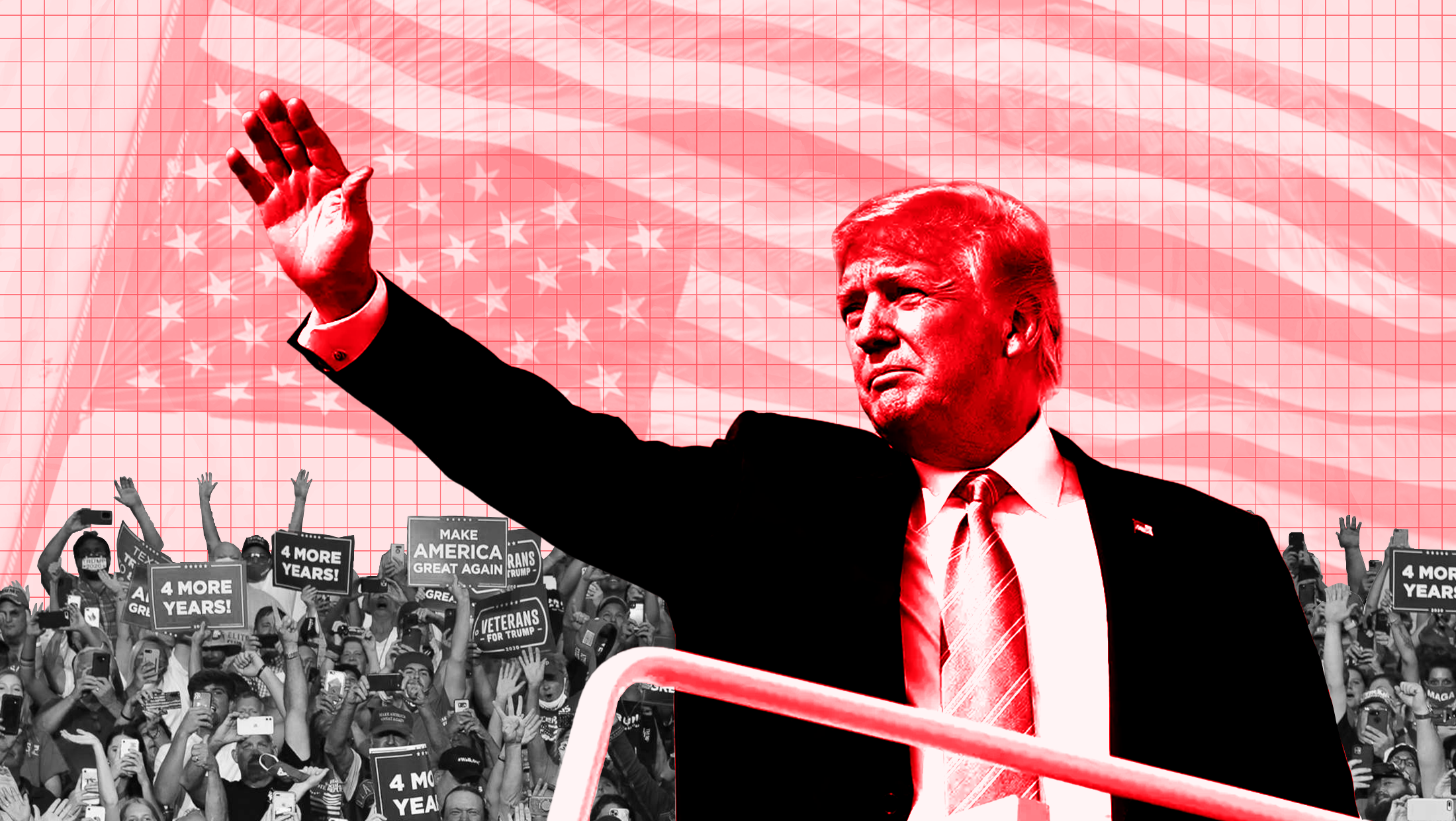
Changes in national policy brought about by the legislative measures of past President Donald Trump have reignited discussions on how these modifications might impact American laborers. These policies span various sectors, including taxation, manufacturing, healthcare, and trade, with widespread effects on job stability, incomes, benefits, and the overall economy.
While some of these policies were originally framed as pro-growth and aimed at revitalizing key industries, critics argue that the benefits have been unevenly distributed, with certain worker populations seeing limited or mixed outcomes. Understanding how these sweeping domestic reforms have shaped the employment environment provides valuable insight into both the opportunities and challenges facing the American labor force today.
One of the key aspects of Trump’s national policy agenda was the Tax Cuts and Jobs Act (TCJA), passed in 2017. Publicized as a strategy to enhance corporate investment and promote job creation, this law substantially lowered corporate tax rates and offered temporary tax benefits for individuals. Supporters argued that decreasing the corporate tax rate from 35% to 21% would incentivize companies to reinvest in their businesses, resulting in new job opportunities and increased wages.
In the short term, some companies did report higher profits and increased spending on share buybacks and dividends. However, the actual effect on wages and job creation was less pronounced than anticipated. While unemployment rates declined during much of Trump’s presidency, wage growth remained relatively modest, and much of the economic gains appeared to flow toward shareholders rather than the working class.
Manufacturing was a central element of Trump’s political agenda and underwent efforts for rejuvenation. The introduction of tariffs on imports from nations such as China aimed to promote local production and shield U.S. industries from overseas competition. While certain industries, like steel and aluminum, experienced short-term increases, the overall effect on manufacturing employment was varied.
Tariffs led to retaliatory measures from other nations, raising costs for American manufacturers that rely on imported components. As a result, some industries faced increased uncertainty, supply chain disruptions, and higher prices, ultimately limiting the positive effects on employment levels within the manufacturing sector. In some cases, smaller businesses were disproportionately affected by these trade policies, struggling to absorb the cost increases.
Health policy was yet another sector targeted for major reforms by the Trump administration. While attempts to completely overturn the Affordable Care Act (ACA) did not succeed, important parts were modified, such as removing the penalty for the individual mandate. For workers in the United States, especially those in lower-paid positions or in sectors lacking robust employer-backed insurance, these alterations caused new difficulties.
Without the requirement, certain people chose to forgo health insurance, resulting in worries about increasing premiums for those still covered. Employees in smaller companies or who hold part-time positions might have faced more challenges in securing affordable medical care, adding to financial stress and health risk. Although some businesses gained from lessened regulatory burdens, the effect on employees underscored the fragile equilibrium between cutting costs and ensuring social well-being.
Regarding labor laws, the Trump administration focused on reducing regulations to alleviate the compliance load for companies. This involved rolling back worker protection standards in fields such as job safety, wage and hour oversight, and rights related to collective bargaining. Although some enterprises welcomed these initiatives as a step to simplify operations and decrease expenses, labor supporters cautioned that diminished protections might expose employees to exploitation and hazardous situations.
The gig economy also came under the spotlight during this period. With the rise of app-based employment and freelance work, millions of Americans found new avenues for earning income. However, these non-traditional work arrangements often lacked the stability, benefits, and legal protections afforded to full-time employees. Efforts to redefine employment classifications were met with resistance, leaving many gig workers in a precarious position when it came to healthcare, retirement savings, and unemployment benefits.
Infrastructure investment was another significant aspect of Trump’s domestic policy strategy. Although extensive infrastructure bills were suggested, featuring grand schemes to renovate roads, bridges, and public utilities, a large portion of the suggested financing didn’t come to fruition during his presidency. For American laborers, especially in the construction and engineering industries, this meant a lost chance to generate stable, well-compensated employment through government-backed initiatives.
Simultaneously, modifications in immigration policies imposed more stringent rules on both authorized and unauthorized immigration. These amendments influenced sectors depending on immigrant workforce, such as agriculture, hospitality, and healthcare assistance. Increased limitations on visas and their implementation resulted in labor gaps in various areas, influencing business activities and, in certain instances, escalating prices for consumers.
The COVID-19 pandemic occurred in the last year of Trump’s presidency, acting as a significant challenge for the U.S. workforce and its existing domestic policies. Emergency assistance measures, such as the CARES Act, offered direct monetary aid to employees and enterprises, briefly mitigating the economic impact. Jobless benefits were increased, stimulus payments were given out, and loans to small enterprises supported numerous employers in remaining viable.
However, the pandemic also exposed structural weaknesses in the labor market, including income inequality, lack of paid sick leave, and limited access to affordable healthcare—issues that predated the pandemic but were intensified by the crisis. Workers in low-wage, frontline positions faced heightened risks, and many women, particularly those with caregiving responsibilities, were disproportionately affected by job losses and reduced hours.
Looking ahead, the legacy of Trump’s domestic policy on American workers is likely to be viewed through a mixed lens. On one hand, certain industries benefited from reduced regulation and favorable tax treatment. On the other hand, the failure to address systemic labor issues, combined with short-term policy approaches, left many workers facing persistent insecurity.
Economic analysts emphasize that while tax cuts and deregulation can create a more business-friendly environment, sustainable job growth and worker well-being also require investment in education, healthcare, infrastructure, and social safety nets. The absence of comprehensive strategies in these areas has left gaps that subsequent administrations will need to address.
For workers, the key takeaways from this period include the importance of adaptability in a changing labor market, the need for updated worker protections in the gig economy, and the ongoing relevance of strong public infrastructure investment. Ensuring that economic gains are shared equitably across income groups remains a central challenge for policymakers.
The domestic policy impact under Trump presents a multifaceted picture, revealing significant changes that have simultaneously benefited and challenged American workers. Although certain companies saw temporary gains, the overarching aim of achieving comprehensive economic well-being and security for workers is still incomplete. As the U.S. continues to address economic unpredictability and changes in the labor market, the insights gained from this era will influence future policy choices focused on fostering a more inclusive and steady workforce.