

The world’s most valuable publicly traded company, known for its technological innovation and global reach, has unexpectedly found itself at the center of one of the most high-profile geopolitical disputes of recent years. What began as a trade disagreement between the United States and China escalated into a broader political confrontation during the Trump administration, and along the way, it pulled this corporate giant into a tense and unpredictable conflict.
While major corporations often operate across borders and navigate complex relationships with multiple governments, the stakes in this case were particularly high. This company’s vast supply chain stretches across continents, with a heavy reliance on Chinese manufacturing for many of its products. At the same time, its primary consumer base—and one of its largest profit centers—is in the United States. Being caught in the middle of two economic superpowers placed it in a uniquely vulnerable position, where political decisions could directly affect its financial stability, brand image, and future growth strategy.
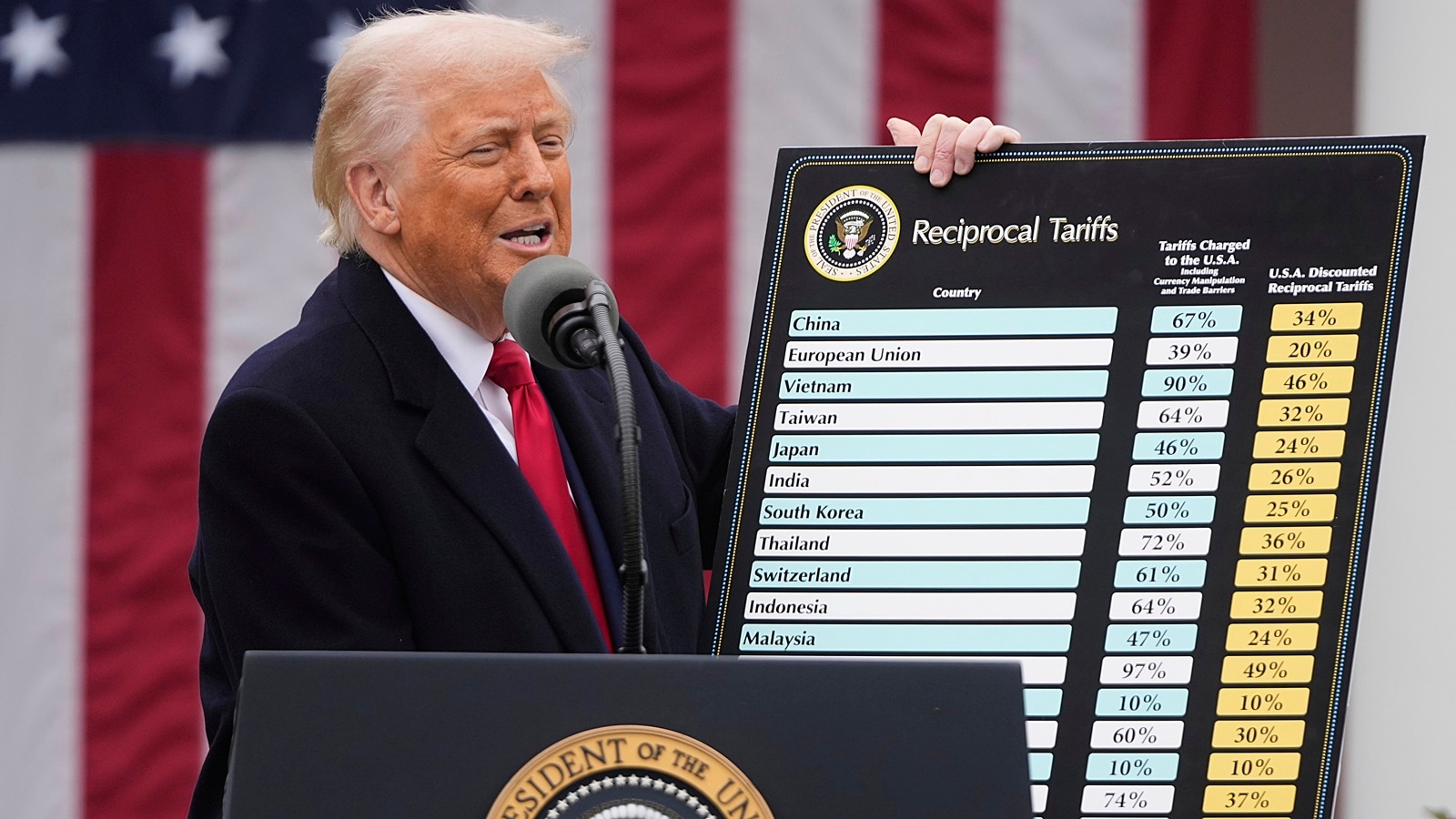
The tension between the United States and China during former President Donald Trump’s term was characterized by the imposition of tariffs, trade barriers, and intense rhetoric. The Trump administration sought to decrease the U.S. trade imbalance with China, safeguard American intellectual property, and oppose what it perceived as unjust economic tactics. In response, China implemented its own measures, focusing on American products and businesses to preserve its influence.
For the major technology company, the issues started when tariffs were implemented on goods imported from China. These tariffs could significantly raise the expenses related to manufacturing their leading products, many of which are put together in large-scale plants on the Chinese mainland. The company would face a choice: absorb these higher production costs, affecting profit margins, or pass them on to customers through increased prices, potentially reducing demand in an already fiercely competitive market.
Complicating the situation further was the Trump administration’s wider effort to curtail the impact of Chinese technology within the U.S. This initiative generated a highly politicized environment where any firm with notable business connections to China faced potential scrutiny from both sides. Although the tech behemoth was not implicated in any misconduct, its reliance on Chinese vendors and its significant revenue in China turned it into an emblem of the worldwide interconnectedness that the Trump administration aimed to adjust.
The company’s leadership had to walk a tightrope. Publicly criticizing the administration’s policies risked political backlash and potential punitive action. On the other hand, appearing too aligned with U.S. policy could jeopardize relationships with Chinese authorities, disrupt supply chains, and damage its standing in one of the world’s largest consumer markets. Behind the scenes, executives reportedly engaged in quiet diplomacy, lobbying for exemptions from certain tariffs and working to maintain open lines of communication with both Washington and Beijing.
This delicate equilibrium was further strained when distinct remarks by Trump indicated that the corporation might be used as a leverage point in larger trade talks. Occasionally, the president implied that lowering tariffs or easing other trade barriers could be contingent upon China making advantageous decisions concerning the company’s activities. This public stance essentially transformed a business entity into an instrument in a global strategy game, increasing unpredictability for investors, suppliers, and consumers as well.
The effects were felt across the company’s global operations. In the U.S., concerns about higher prices for its most popular products dominated headlines, raising questions about consumer loyalty and holiday-season sales. In China, nationalistic sentiment—already heightened by the trade dispute—posed the risk of consumer boycotts, especially as rival domestic brands sought to capitalize on the tensions by promoting their products as patriotic alternatives.
Despite the turbulence, the company managed to navigate the crisis without a catastrophic hit to its bottom line. Part of this resilience came from its ability to adapt. Some production was shifted to other countries in Southeast Asia to diversify the supply chain, reducing—but not eliminating—its reliance on Chinese manufacturing. At the same time, its strong brand loyalty, premium pricing strategy, and diverse product ecosystem helped sustain revenue, even in the face of political headwinds.
Still, the episode served as a wake-up call. For years, global corporations have relied on a relatively stable framework for international trade, allowing them to design and produce goods in one part of the world and sell them in another with minimal political interference. The Trump-China dispute made it clear that those days could not be taken for granted. Rising geopolitical tensions, unpredictable policy shifts, and the strategic use of corporate leverage in political negotiations all underscored the need for a new approach to risk management.
For investors, the situation also offered a lesson in the hidden vulnerabilities of even the most successful companies. The tech giant’s market value may have been measured in the trillions, but it was not immune to forces beyond its control. A single presidential statement or policy change could send its stock price swinging by billions of dollars in a single day. This volatility illustrated how intertwined the fate of global corporations has become with the decisions of political leaders.
In the aftermath of the dispute, the company has continued to operate profitably in both the U.S. and China, though the shadow of potential future conflicts remains. The Biden administration has maintained a firm stance on some aspects of U.S.-China relations, suggesting that the pressures faced during the Trump years were not an isolated occurrence. Meanwhile, China has shown no sign of reducing its ambition to strengthen domestic tech champions, potentially putting foreign firms at a disadvantage in the long run.
What transpired during the trade conflict serves as an example of the delicate nature of global interconnectedness. It demonstrated the rapidity with which alliances might change, the susceptibility of supply networks, and the necessity for corporate strategies to include geopolitical risks once seen as remote. For the business involved, emerging from the crisis without enduring harm illustrated its flexibility, while also highlighting that success in today’s economy encompasses more than just creativity and customer interest—it involves maneuvering through an intricate network of political ties that may shift with forthcoming elections, future trade arguments, or looming diplomatic errors.
In summary, the world’s top company in value discovered that in the current interconnected global market, even a leading tech giant cannot fully avoid political challenges. Although it successfully navigated this specific situation, the experience highlighted that future difficulties are inevitable.