

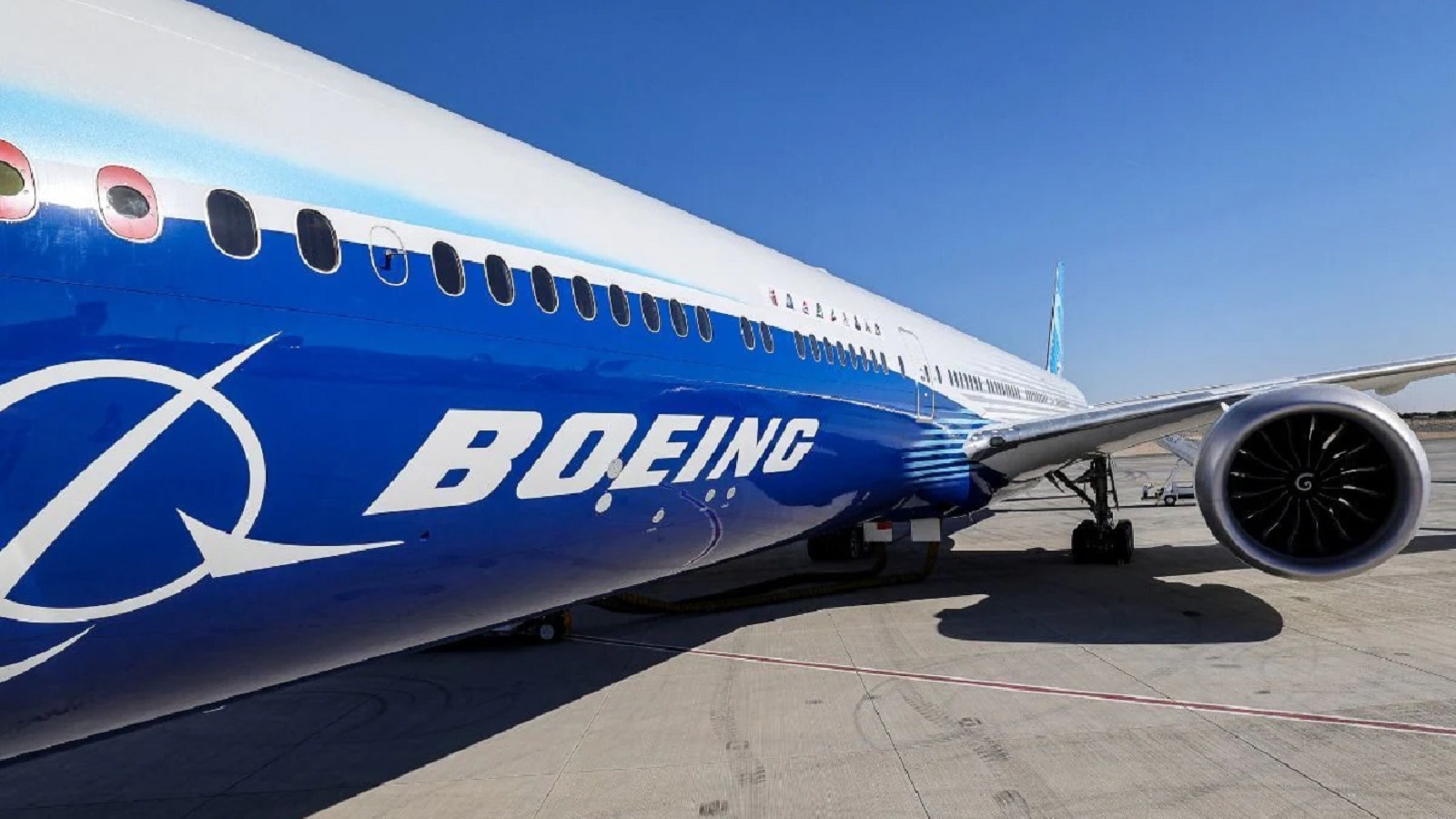
In response to emerging concerns about aircraft safety, Indian aviation authorities have instructed domestic airlines to carefully review and monitor fuel switching operations on Boeing jets operating within the country’s airspace. This directive aims to ensure that fuel management systems on these aircraft function optimally, maintaining passenger safety and operational efficiency.
The determination comes after accounts and examinations of situations where transitioning between fuel tanks—an essential task involving changing from one fuel source to another during flight—has led to concerns about dependability and proper application. Correct oversight of fuel distribution is crucial for the functioning of aircraft, maintaining weight balance, and engine operation, especially on lengthy flights where fuel quantities must be meticulously managed.
India’s Directorate General of Civil Aviation (DGCA), the authority responsible for regulating civil aviation safety, has provided official instructions encouraging airlines to perform comprehensive checks and evaluations of their Boeing aircraft. These actions involve confirming compliance with manufacturer-advised procedures for fuel switching and guaranteeing that flight personnel are equipped to manage possible irregularities in fuel management systems.
The focus on Boeing aircraft stems from a series of operational reports that identified irregularities related to fuel transfer switches and sensors. While there have been no catastrophic outcomes linked to these issues in India, the precautionary approach reflects the regulator’s commitment to proactive risk management amid an expanding commercial aviation sector.
Airlines affected by the directive are now tasked with reviewing maintenance records, updating standard operating procedures, and enhancing pilot training modules related to fuel system management. These steps are designed to reduce the likelihood of technical malfunctions or human errors during fuel switching, which could compromise flight safety or result in unscheduled diversions.
El enfoque en el cambio de combustible surge en un momento en que la industria de la aviación en India está experimentando un rápido crecimiento, con un aumento en el número de vuelos tanto nacionales como internacionales. Los aviones Boeing constituyen una parte considerable de las flotas de muchas aerolíneas, destacando así la importancia de mantener altos estándares de seguridad en estos modelos de aeronaves ampliamente utilizados.
Aircraft fuel systems are complex networks of tanks, pumps, valves, and sensors that work together to deliver the correct amount of fuel to the engines. Switching fuel sources during flight is a routine but critical operation, necessary to balance weight and ensure continuous engine supply. Any malfunction or mismanagement in this system can lead to engine performance issues, fuel starvation, or imbalanced weight distribution, all of which pose risks during flight.
The DGCA’s directive includes specific recommendations for airlines to implement enhanced monitoring technologies and diagnostic procedures that can detect fuel system anomalies early. Additionally, communication protocols between cockpit crew and maintenance teams are to be strengthened to ensure rapid response if irregularities are detected during flight.
Boeing, as the manufacturer of the affected aircraft, has been collaborating with regulators and airlines worldwide to address fuel system concerns. The company continues to provide technical support, software updates, and training materials aimed at optimizing fuel management systems and minimizing operational risks.
Experts in aviation safety note that such regulatory interventions are a routine part of maintaining aviation standards, particularly when new data or incident reports highlight areas for improvement. In this case, the directive reflects a balance between ensuring safety and minimizing disruption to airline operations, given the importance of Boeing aircraft in India’s skies.
Travelers can feel confident knowing these actions are precautionary and integral to continuous efforts to maintain exceptional safety standards in commercial aviation. Routine evaluations, staff education, and technological enhancements play a role in minimizing the chances of fuel-related complications affecting flights.
Beyond India, global aviation officials keep a close eye on similar cases, exchanging insights and leading practices via international platforms like the International Civil Aviation Organization (ICAO). Cooperative measures guarantee that experiences gained in one nation assist the larger aviation sector, improving security across the globe.
The guideline also emphasizes the evolving aspect of aviation oversight, where ongoing feedback from operations shapes the revision of policies and procedures. Airlines and manufacturers must stay adaptable in tackling new issues, using technology and training to ensure safe and dependable service.
For Indian airlines, enacting this directive signifies a duty as well as a chance to showcase their dedication to passenger safety and achieving operational excellence. Clear reporting and adherence to DGCA regulations will strengthen trust among passengers and stakeholders.
Regulators are expected to keep assessing how well these measures work and to alter requirements when necessary, guided by operational data and technological progress. Continuing discussions among authorities, airlines, and manufacturers are crucial to foresee and lessen possible risks in aviation systems.
India’s order for airlines to scrutinize fuel switching on Boeing jets is a prudent step toward safeguarding air travel within the country. By focusing on critical technical procedures and emphasizing training and monitoring, the DGCA aims to prevent issues before they arise and maintain the robust safety record of the Indian aviation sector. It grows into one of the world’s busiest markets.